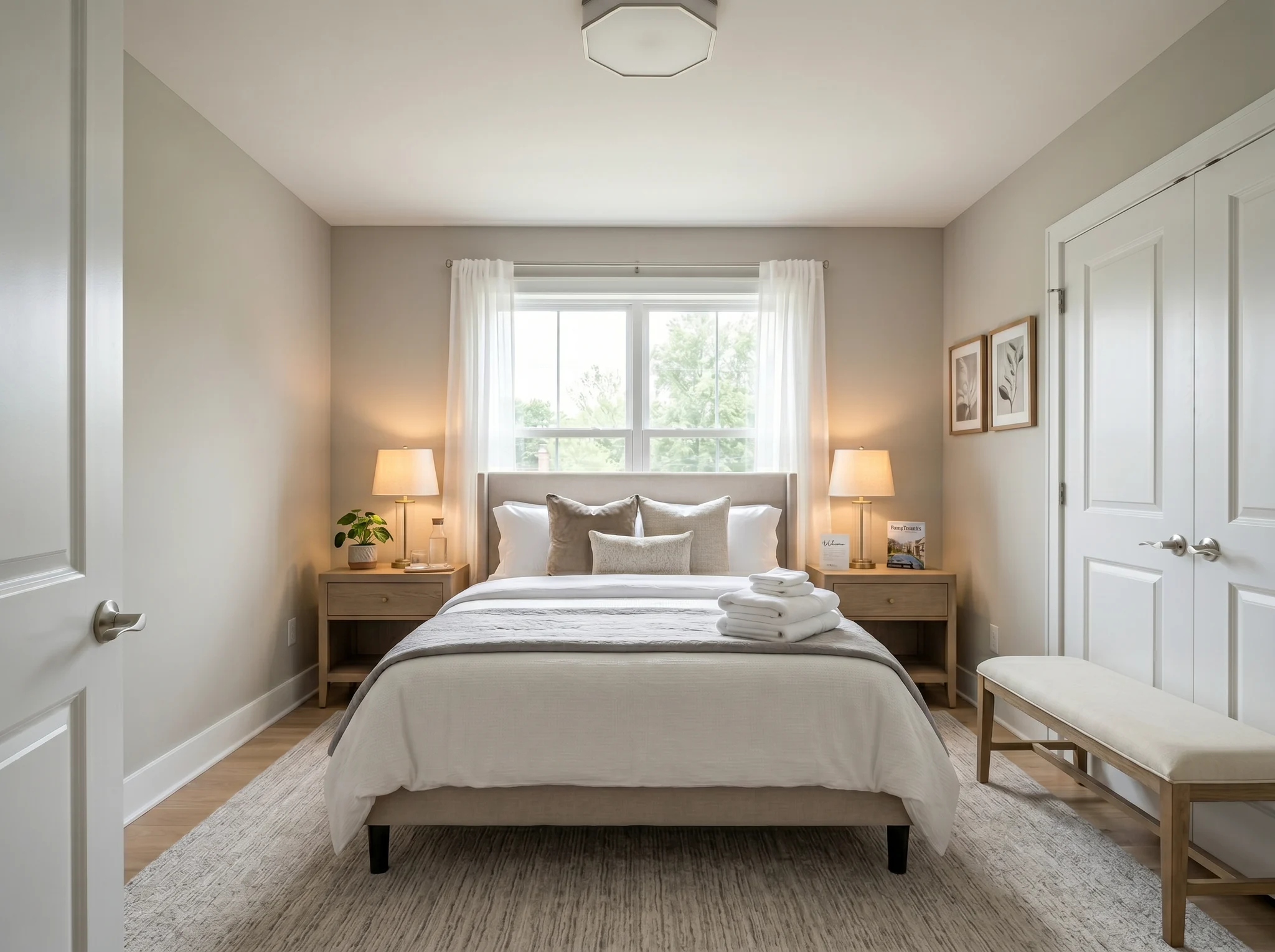
AI-Powered Room Redesign

RoomFlip AI Room Designer & Interior Design AI

Upload a room photo, choose from professional style directions, and instantly see a photorealistic redesign — ideal for listing photos, rental staging, or planning your next renovation.

Now on mobile

RoomFlip now works across web, iPhone, and Android.

Start from the browser when you are at a desk, or install the mobile app when you want to capture rooms, compare redesigns, and manage credits from your phone.

Choose the app for your device

We will highlight App Store on iPhone and Google Play on Android.

Download RoomFlip

App Store version 1.0 is live. Google Play uses package com.skybringup.roomdesigner.

RoomFlip mobile app preview showing an AI redesigned living room

RoomFlip

AI Room Designer

Live

Web

Browser

iOS

App Store

Android

Google Play

Brand hub

Looking for RoomFlip?

If you searched for RoomFlip, roomflip, or even room flip, you are in the right place. RoomFlip is the AI room designer and virtual staging tool behind this site, built for listing agents, hosts, remodelers, and homeowners who need a believable visual direction fast.

Most people start by trying the tool above, then move into RoomFlip virtual staging, check the credit packs, or read the RoomFlip FAQ before they decide how to use it in a listing, renovation plan, or client pitch.

Who gets the most value from RoomFlip?

The highest-value users are usually the people trying to help someone else believe in the room: agents, hosts, consultants, and anyone pitching an upgrade before money is spent in the real world.

Highest conversion fit

Listing agents & stagers

Turn ordinary listing photos into a clearer story about how the room could feel after a light refresh, before you spend on physical staging.

Best for

listing decks, open-house prep, seller walkthroughs

Revenue-minded

Short-term rental hosts

Test whether a bedroom or living space should feel calmer, brighter, or more premium before buying furniture that may not photograph well.

Best for

Airbnb upgrades, guest-room refreshes, occupancy experiments

Pitch support

Designers, remodelers, consultants

Get a fast visual direction for early proposals so clients react to a concrete mood instead of a vague style name or mood board.

Best for

proposal visuals, discovery calls, concept alignment

Still useful

Homeowners & renters

Explore options before buying paint, changing layouts, or negotiating with a partner about what the room should become.

Best for

DIY planning, renovation ideas, furniture confidence

12+ Design Styles

AI Interior Design Tools — Redesign Your Room from a Photo

Upload a photo and preview 12+ professional interior design styles on your own room — from modern minimalism to warm farmhouse charm. See exactly how your space would look before committing to any renovation.

Transformation Stories

The room gets easier to sell when the future feels specific

Real talk-tracks that listing agents, hosts, and consultants use to help someone picture a better life inside the same footprint.

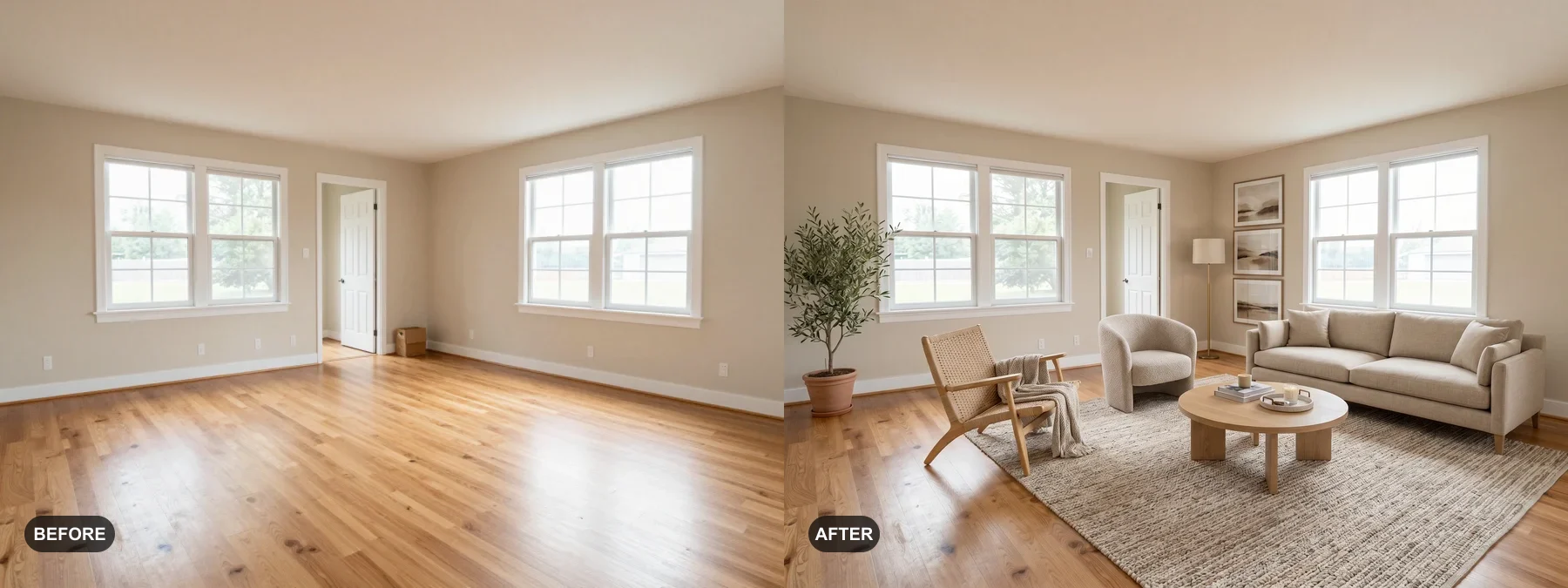
Listing Agent

Walk in and feel the weight of the day leave your shoulders

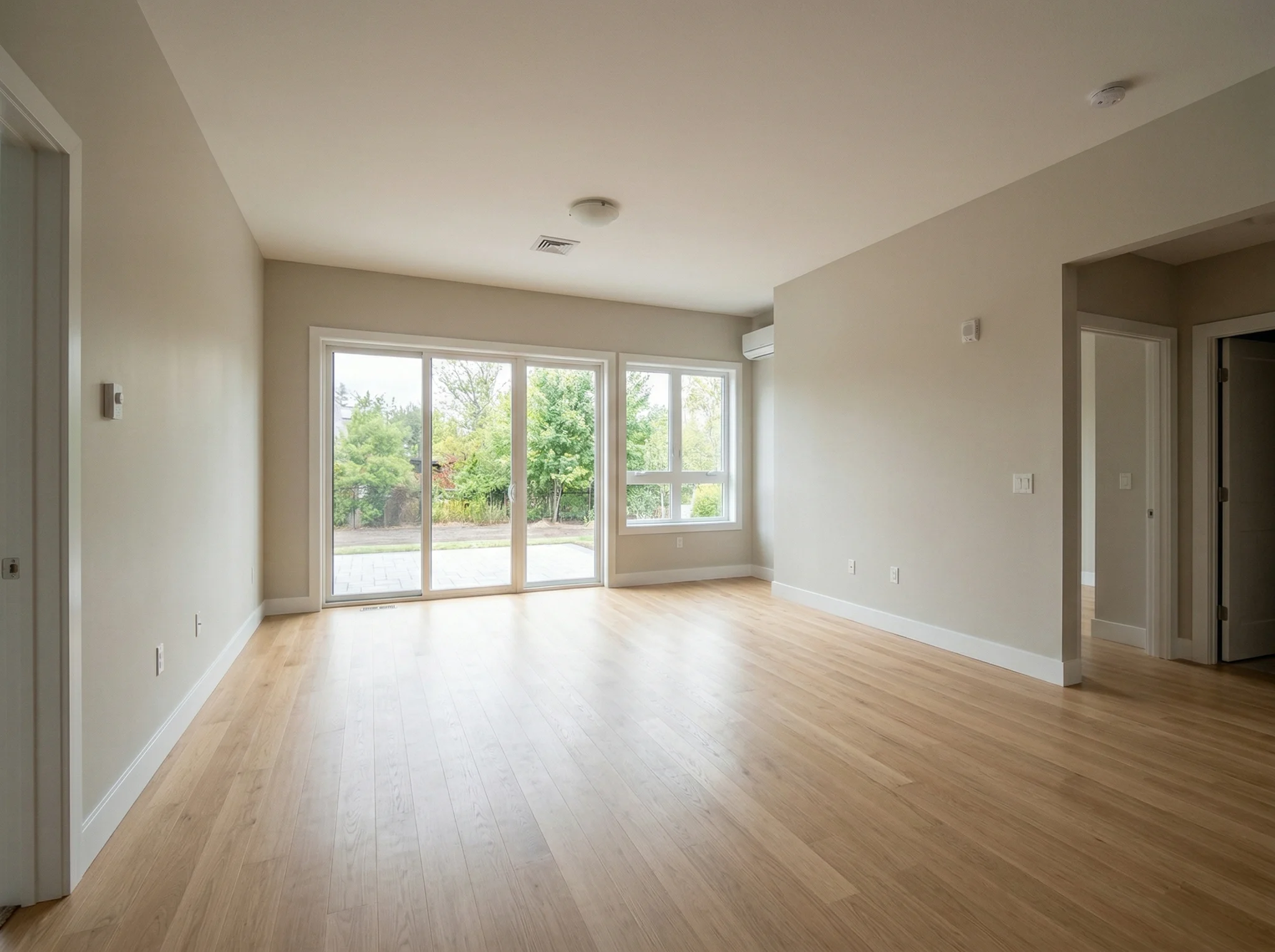
Before redesign
Before
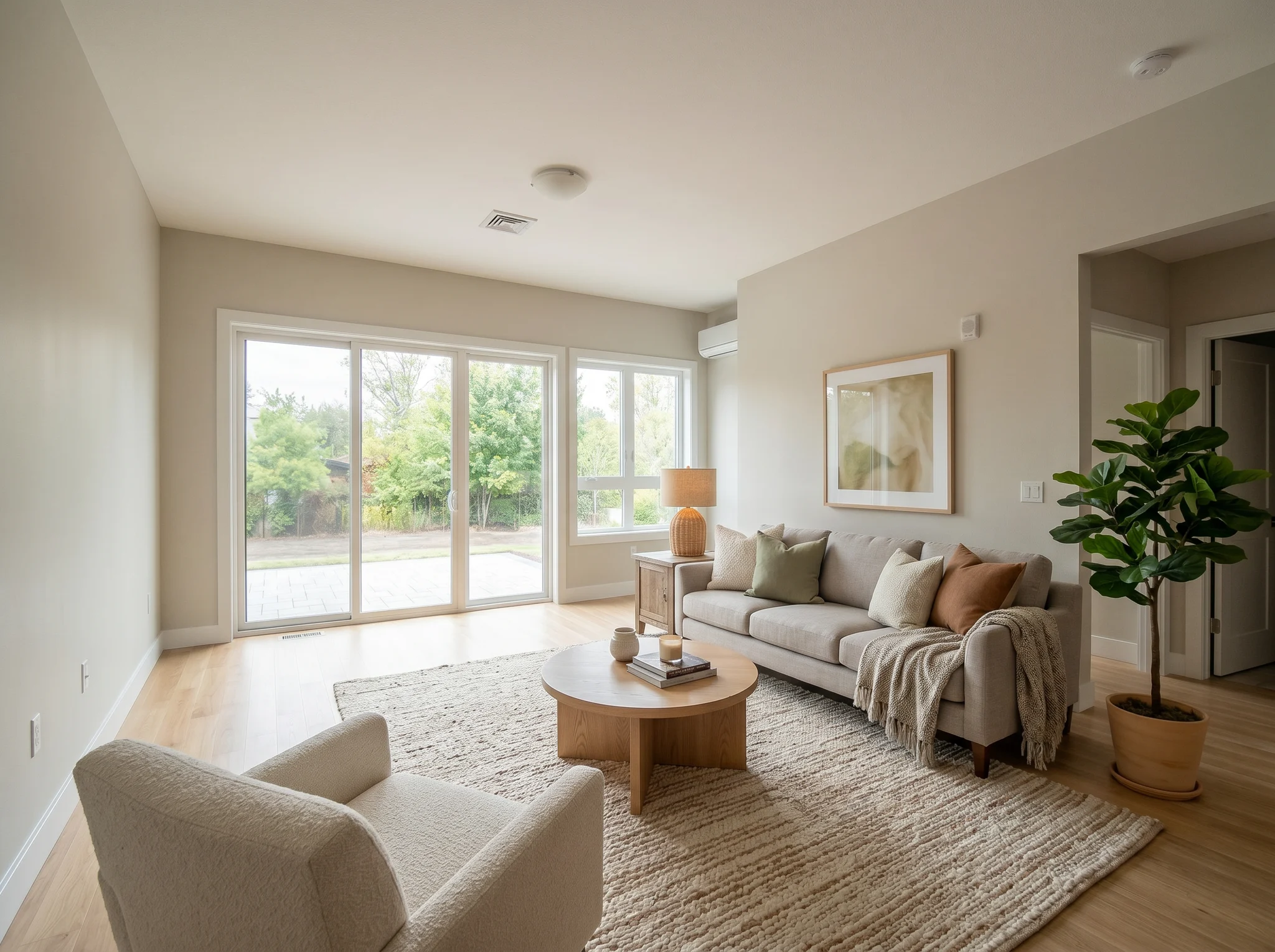
After redesign
After

Talk Track

"Buyers stop calculating repairs and start imagining dinner parties. This one image moved a listing from 'maybe' to 'write the offer tonight' because it made the future feel specific, not hypothetical."

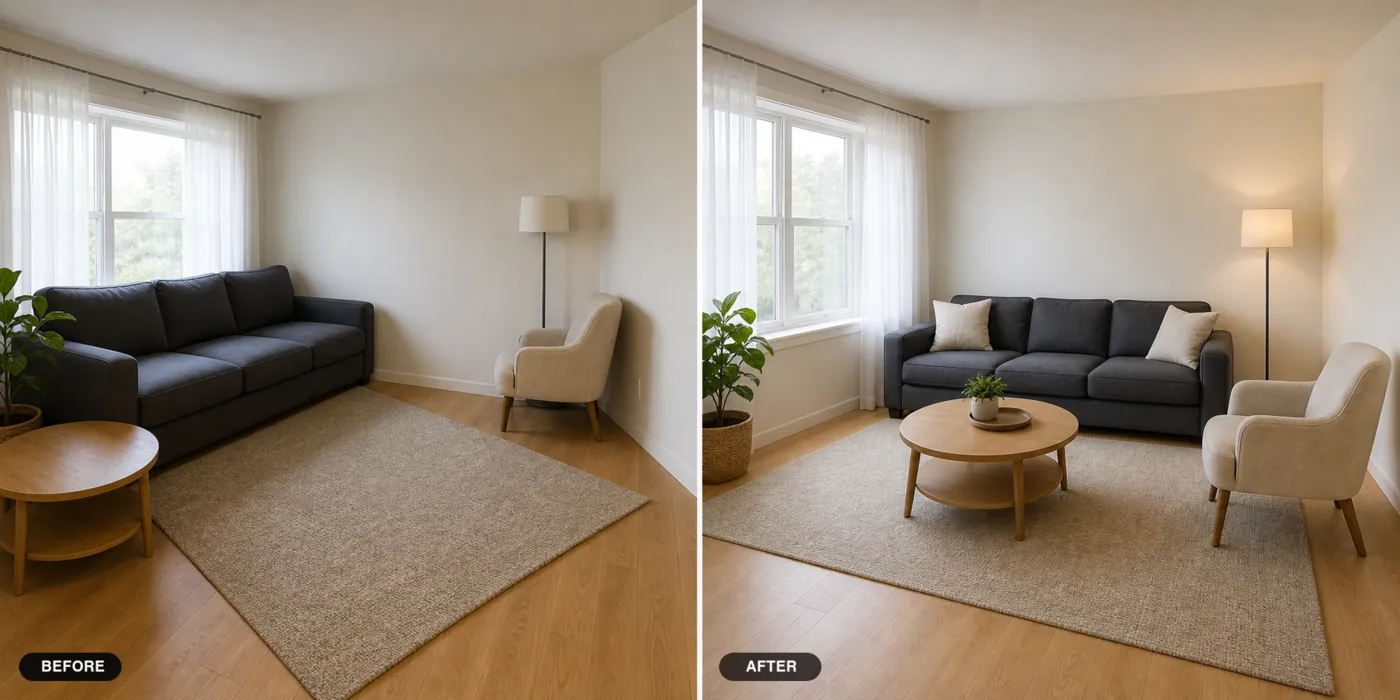
Airbnb Superhost

The kind of bedroom guests photograph before they even unpack

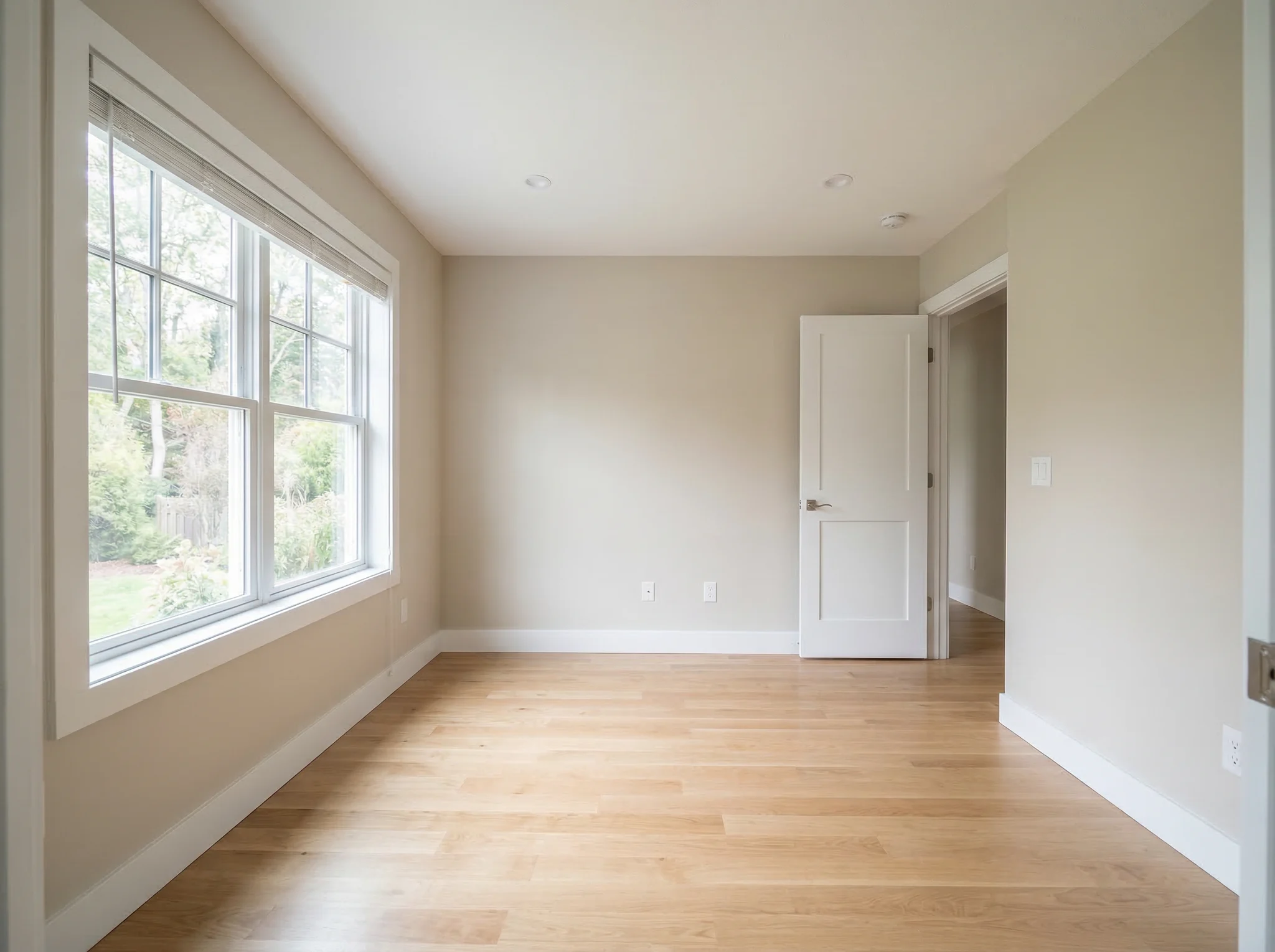
Before redesign
Before
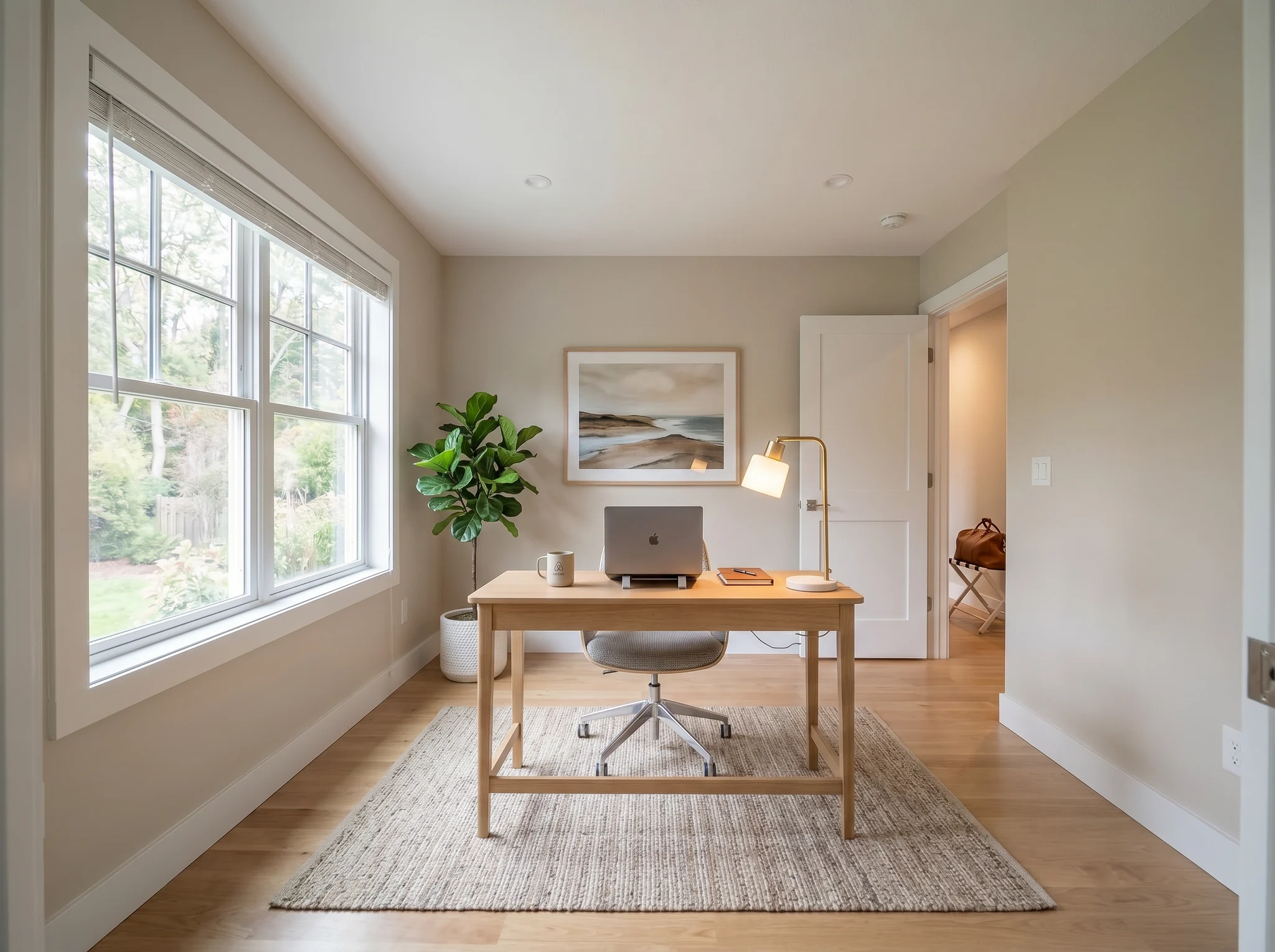
After redesign
After

Talk Track

"Five-star reviews write themselves when the room looks this intentional. One host raised her nightly rate 40% after restaging to match this direction — guests said it felt like a boutique hotel, not a spare room."

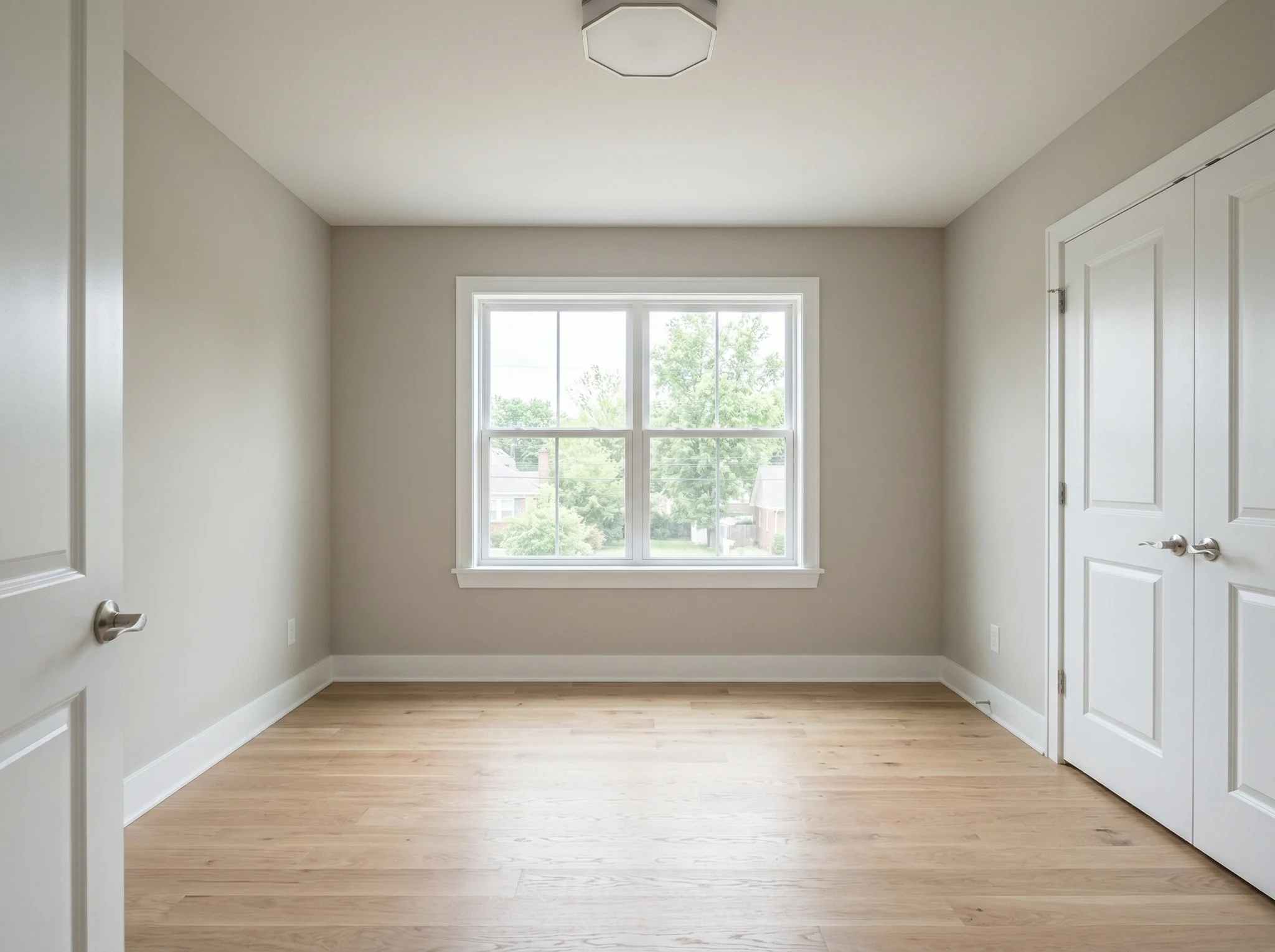
Renovation Consultant

Now the client can see what you've been describing for three meetings

Before redesign
Before
After redesign
After

Talk Track

"Instead of nodding politely at mood boards, the client pointed at this image and said 'that — do exactly that.' The project went from proposal to signed contract in one week instead of the usual six."

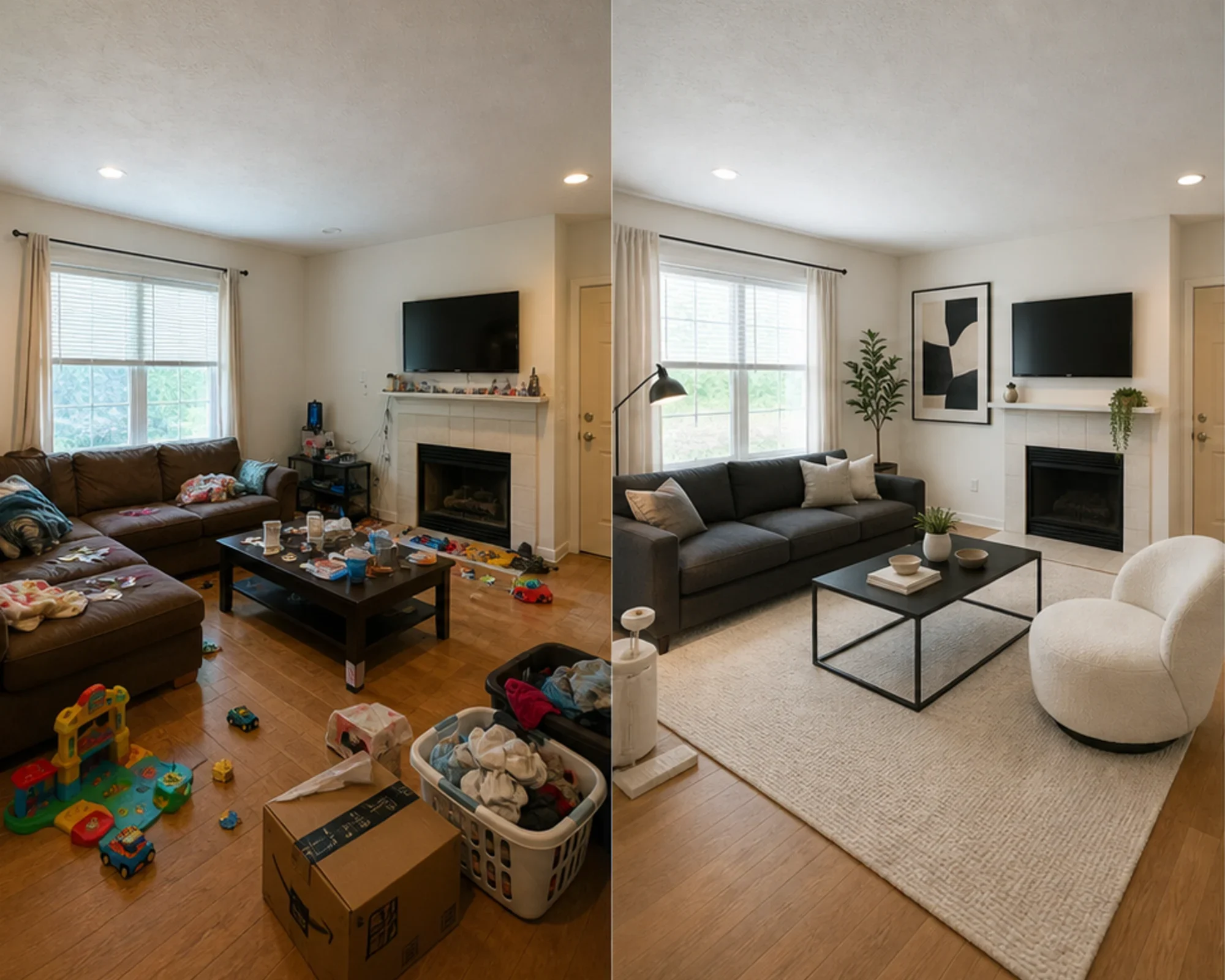
Growing Family

A room that finally feels as intentional as the life you're building

Before redesign
Before
After redesign
After

Talk Track

"We kept saying 'we'll fix the family room eventually.' Seeing this made eventually feel like this weekend. The kids still have space to play, but now the room has a soul instead of just square footage."

How AI Room Designer Works

Transform any room in three simple steps using our AI-powered interior design tool.

Step 1: Upload Your Room

Take a photo of any room you want to redesign and upload it. The AI works best with well-lit photos taken from a corner of the room. JPG, PNG, and WebP formats are supported up to 10MB.

Step 2: Pick an Outcome

Hover or tap the effect cards to preview what each outcome feels like. No design jargon — just pick the vibe you want and the AI handles the rest.

Step 3: Get Your Redesign

In 15-30 seconds, the AI generates a photorealistic redesign of your room. Use the before/after slider to compare, then download the result or try another style.

AI Room Design for Every Space

Whether you are renovating a single room or reimagining your entire home, AI Room Designer helps you explore design possibilities for any space.

Living Room

Transform your living room from cluttered to curated. See how different sofa styles, coffee tables, rugs, and wall art would look in your actual space. Popular styles for living rooms include Modern, Scandinavian, and Mid-Century Modern.

Bedroom

Create your ideal bedroom sanctuary. Visualize new bed frames, nightstands, lighting, and color schemes. Japanese/Japandi and Minimalist styles are especially popular for bedrooms, creating calm and restful environments.

Kitchen

Reimagine your kitchen with new cabinetry styles, countertop materials, backsplashes, and lighting. See how Farmhouse, Contemporary, or Industrial styles would transform your cooking space before committing to a renovation.

Bathroom

Visualize bathroom renovations with new vanities, tile patterns, fixtures, and accessories. Coastal and Scandinavian styles create bright, spa-like bathroom environments that AI Room Designer can render from your existing space.

Every way to use RoomFlip's AI room designer

Whichever part of your home you're planning, there's a dedicated workflow for it. Pick the one that matches the room or the job and jump straight into the AI room designer.

AI Room Design

The core workflow — upload any room, choose a style, and generate a photorealistic redesign in 30 seconds.

AI Interior Design Styles

Browse the full 12-style catalog — Modern, Scandinavian, Farmhouse, Japanese and more — with examples for every room.

Free AI Interior Design

Redesign your first rooms at no cost. Free credits refresh so you can keep iterating before you commit to a style.

Free AI Room Design

The lightweight, no-account path. Drop in a photo, pick a vibe, get a preview — perfect for experimenting.

AI Room Planner

Plan layout, furniture, and finishes in one pass. Ideal when you're mapping out a renovation before buying anything.

AI Room Redesign

Already have a furnished space? Redesign in place — swap the style while the windows, walls and layout stay put.

AI Home Design

Design across the whole home — living room, bedroom, kitchen and more in one cohesive style.

AI Home Exterior Design

Rework facades, paint colors, trim and landscaping. See your curb appeal upgrade before the first quote.

AI Virtual Staging

For agents and hosts — stage empty listings, Airbnbs, and new construction photos in seconds, not days.

Design My Room

Not sure where to start? Answer a few prompts and RoomFlip suggests a direction you can generate in one click.

Design Styles Gallery

Deep dives on each style — the history, the materials, and when to reach for it.

Room Design Guides

Practical playbooks for living rooms, bedrooms, kitchens and bathrooms — the things worth getting right before you generate.

Frequently Asked Questions

Everything you need to know about AI Room Designer

Need the brand-level overview? Visit the RoomFlip FAQ for pricing, credits, virtual staging, and download questions.

What is AI Room Designer?

AI Room Designer is an online tool that uses artificial intelligence to transform photos of your existing rooms into different interior design styles. Simply upload a photo of any room, select from 12+ professional design styles, and our AI generates a photorealistic visualization of how your room would look with that style applied. The room layout, windows, and doors remain the same while furniture, decor, colors, and materials are completely transformed.

How does AI room redesign work?

Our AI room designer uses advanced image-to-image generation technology. When you upload a room photo, the AI analyzes the room's structure including walls, windows, doors, and spatial layout. It then generates a new version of the room with furniture, colors, textures, and decor that match your chosen interior design style. The result is a photorealistic image showing how your room could look after a redesign, all in about 15-30 seconds.

Is AI Room Designer free to use?

New users get 3 free credits when they sign up. Each preview generation costs 1 credit (low resolution with watermark). For high-resolution, watermark-free results, credits start at $4.99 for 30 credits. There are no subscriptions required — buy credits only when you need them. See our <a href="/free-ai-room-design/">free AI room design</a> page for full details on what's included at no cost.

Who gets the most value from AI Room Designer?

The strongest commercial use cases are listing agents, home stagers, short-term rental hosts, and design/remodel professionals who need to help someone imagine a better version of the same room quickly. Homeowners and renters still get value too, but the biggest ROI usually comes from people trying to sell, pitch, stage, or upgrade a space with less guesswork.

What types of rooms can I redesign?

AI Room Designer works with any indoor space: living rooms, bedrooms, kitchens, bathrooms, dining rooms, home offices, nurseries, and more. For best results, take a well-lit photo from a corner of the room that shows as much of the space as possible. The AI handles rooms of all sizes, from studio apartments to large open-plan living areas.

What design effects are available?

We offer 6 effect-based outcomes: Move-in Ready, Premium Guest Suite, Warm Family Home, Urban Loft, Zen Retreat, and Luxury Showcase. Each effect is named for the feeling it delivers rather than a design style label, making it easier for non-designers to choose. Additional styles are available for advanced users.

Why are the options named by outcome instead of design style?

Most people don't naturally know what labels like Japandi or Mid-Century Modern will feel like inside a real room. By naming each option for the result it delivers — like 'Move-in Ready' or 'Premium Guest Suite' — you can pick the feeling you want without needing design expertise. The AI handles the style vocabulary behind the scenes.

How long does it take to generate a redesign?

Each AI room redesign typically takes 15-30 seconds to generate. The exact time depends on the complexity of the room and current server load. You will see a progress indicator while the AI processes your image. The result is a high-quality photorealistic image that you can download immediately.

Can I use the redesigned images for professional purposes?

Yes. All generated images belong to you and can be used for personal inspiration, client presentations, social media, real estate listings, or any other purpose. High-resolution downloads (2K and 4K) are available with paid credits and come without watermarks, making them suitable for professional use.

What image formats and sizes are supported?

AI Room Designer accepts JPG, PNG, and WebP images up to 10MB. For optimal results, use a photo that is at least 800x600 pixels. Images are automatically resized to 1024px on the longest side before processing. We recommend using well-lit, level photos taken at eye height for the best AI redesign results.

Do I need to install any software?

No installation is required if you want to use RoomFlip in a browser. You can also install the native RoomFlip app from the App Store or Google Play when you want a mobile workflow for uploads, saves, and store purchases.

Ready to show the next version of the room?

Upload a photo, preview the mood, and generate a direction you can use for staging, pitching, or planning. Free preview available — no credit card required.

Start Designing Now

How to Review an AI Room Design Before You Use It

RoomFlip is most useful when the input photo is honest and the output is treated as a design or staging draft. Upload a clear room photo, choose the closest intent, then review whether the result still respects the real walls, windows, flooring, door swings, ceiling height, and built-in fixtures. A room design preview should help someone make a decision, not hide constraints that will still exist in the real space.

Good AI room design starts before generation. Clear clutter, shoot in natural light, keep the camera level, and include enough floor area for the model to understand scale. Extreme wide-angle photos, dark corners, cropped walls, mirrors, and heavy furniture overlap can make results less stable. If the first output feels wrong, improve the input before trying to fix everything with a different style.

Use style selection as a decision tool. Modern is safest when you need broad appeal. Scandinavian adds warmth and calm. Farmhouse helps kitchens and dining areas feel more family-friendly. Industrial works when the architecture already supports a city loft mood. Japanese and Minimalist styles can calm a busy room, while Contemporary can make a listing feel more polished and premium.

For real estate or rental marketing, compare the original and redesigned image before publishing. If the output changes the perceived condition, size, layout, view, or permanent fixture quality of the room, it should be disclosed or avoided. Keep the original photo available so buyers, guests, clients, or teammates can understand what was changed.

A strong output should pass a simple realism check. Furniture should sit on the floor at believable scale, shadows should follow the room's light direction, rugs should not bend around impossible geometry, and windows, doors, baseboards, counters, and built-ins should remain recognizable. Small artifacts matter because buyers often zoom in on listing photos.

Avoid using AI output as a substitute for professional judgment where safety, legal, or fair-housing concerns apply. Room design suggestions can help with layout, style, and visual planning, but they do not verify building codes, accessibility needs, electrical work, structural changes, landlord rules, HOA restrictions, or local advertising requirements.

The best workflow is to generate two or three plausible directions, not twenty random ones. Pick one safe broad-market style, one warmer lifestyle style, and one premium style. Compare which version makes the room easier to understand. Then save the prompt, style, and output so the same direction can be reused across related rooms or listing photos.

For interior design planning, treat the image as a conversation starter. Use it to decide whether a sofa scale feels right, whether wood tones should be warmer, whether a rug anchors the room, or whether a wall color direction is worth testing. The final purchasing decision still needs measurements, samples, and a budget check.

For listing pages, keep the buyer's job in mind. A buyer scanning a portal does not need a fantasy rendering. They need to understand room function, scale, light, and potential quickly. If the AI output makes the room look impressive but hides awkward circulation, missing storage, or a strange layout, it is not doing the right job.

For redesign pages, record the real constraint before you generate: budget, furniture to keep, rental restrictions, child or pet needs, storage problems, natural light, or a fixed appliance location. The output becomes more useful when it responds to a constraint rather than only applying a decorative style.

For style-guide pages, use the generated room as a reference, not a rulebook. A style that works in one bedroom may feel wrong in a dark kitchen or narrow office. Compare two nearby styles before choosing one direction for a whole property.

Best fit

Empty rooms, early redesign planning, virtual staging, rental refreshes, listing photos, and style comparisons where the goal is to see believable visual options quickly.

Poor fit

Photos with major damage, blocked room geometry, low light, reflective clutter, or any situation where a generated image could misrepresent the real condition of a property.

Before publishing

Compare original and output, confirm permanent features are unchanged, disclose staging when needed, and test the image at mobile thumbnail size and full listing size.

Practical Review Checklist

Does the staged furniture fit the room's actual width, doorway placement, and window height?
Are permanent features such as cabinets, flooring, counters, fireplaces, and built-ins still accurate?
Would a buyer or guest feel misled when they compare the staged photo to the real room?
Does the chosen style match the property price, location, and likely audience?
Can the image still be understood at mobile thumbnail size?
Have you saved the original photo, prompt, style, and generated output for later reference?

Before relying on a redesign, decide what the image is supposed to prove. A homeowner may need a style direction before buying furniture. A host may need to test whether a guest bedroom can feel more premium. An agent may need a listing photo that helps buyers understand an empty room. Each job needs a different level of realism and restraint.

Review the image against fixed constraints. If the room has a low ceiling, narrow door, unusual window, awkward corner, visible vent, dated cabinet line, or flooring transition, that constraint should still make sense in the output. The best AI design keeps the real room understandable while showing a better version of how it can be used.

Use prompts to preserve what matters. Tell the tool to keep existing windows, floors, cabinets, appliances, built-ins, or architectural features when those details are part of the decision. If you plan to renovate those items, treat the result as a concept, not a final representation of the current property.

For real estate pages, avoid over-styling. Buyers need a clear read on function, proportion, light, and circulation. A quiet modern living room that makes the layout obvious can outperform a dramatic render that hides the actual room shape. Keep at least one staged version simple enough for a mobile thumbnail.

For personal design pages, compare nearby styles before choosing one direction. Modern, Scandinavian, and Japanese can look similar in clean rooms but lead to very different furniture purchases. Farmhouse and Coastal both add warmth but signal different buyers. A quick side-by-side prevents expensive mistakes later.

Save the useful context with every output: source photo, room type, style, prompt, credit cost, and what you accepted or rejected. That record turns one generated image into a repeatable design direction for the next room, listing, or client conversation.

A complete room-design page should answer more than "can the AI make a pretty image?" It should help the visitor decide whether the room is suitable for AI redesign, what photo to upload, what style to choose, which fixed features to preserve, how to judge the output, and when the result needs an artist, designer, contractor, agent, or broker review before being used publicly.
Input quality: level camera, natural light, visible floor, uncluttered surfaces, and no cropped corners.
Decision quality: compare two nearby styles before buying furniture, repainting, or publishing a staged listing image.
Publishing quality: keep the original photo, disclose staging when needed, and verify the image does not misrepresent the room.

Some pages on RoomFlip are tools, some are style guides, and some are room-specific planning pages. They should all make the visitor more capable of making a design decision. That means explaining what the AI can change, what it should preserve, what the user should photograph, what the output proves, and what still needs human review before money is spent or a listing is published.

A useful result is not always the most dramatic one. The best version is the one that helps someone compare options, communicate with a client or partner, and move to the next decision with fewer surprises.

When a page is about a tool, the user should leave with a better upload strategy. When a page is about a style, the user should understand the visual tradeoff. When a page is about a room, the user should know which constraints matter most. That practical context is what separates a useful AI design page from a shallow gallery page.

Keep the final step human. A generated image can speed up planning, but furniture purchase, renovation, listing claims, fair-housing wording, and buyer disclosure still need careful review by the person responsible for the real room.

If the page does not help with that review, it is not ready to rank as a decision page.

Every page should leave the user with a clearer next action.

That is the standard for the about page, the tool page, and every style or guide hub.